Here I would like to share news of my research into prehistoric farming 🙂
Climate, Crops and Crisis?: Examining Agricultural Adaptation and Resilience to Climate Change in Prehistory
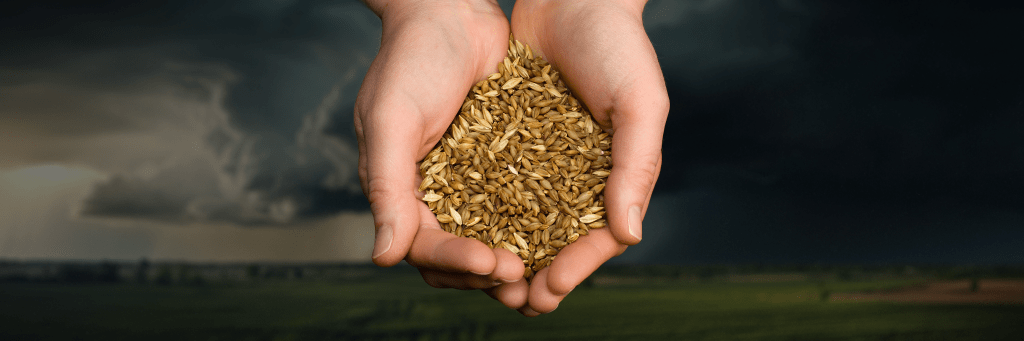
I am excited to share that my research into prehistoric cereal cultivation has been awarded funding from the Center for Advanced Study in Oslo. The project examines changing farming and wild plant use practices through time in relation to climate change. Full project details can be found here: https://cas-nor.no/project/climate-crops-and-crisis, and a short interview about my second CAS visit (short term fellowship) is here: https://cas-nor.no/news/returning-climate-crops-and-crisis-rosie-bishop-back-cas.
Summary
How resilient were prehistoric farmers to climate deterioration? Did they adapt their farming strategies to climate change? How can we recognise agricultural adaptation and resilience in the archaeological record? The project ‘Climate, crops and crisis?: examining agricultural adaptation and resilience to climate change in prehistory’ was conducted at the Centre for Advanced Study from 2024-2025. The project provided an interdisciplinary dialogue to determine the best methods for identifying agricultural adaptation and resilience in the archaeological record, and aimed to integrate archaeological, palaeoclimate and climate modelling data to provide a sophisticated understanding of human-climate interactions in the past. The project is comprised of a team of researchers at different career stages and from a range of different disciplines spanning the natural and social sciences. The research was structured around an opening conference and four workshops. The project produced a framework for identifying agricultural risk management in the archaeological record and revealed previously unrecognised geographical and temporal differences in the strategies of crop cultivation, livestock husbandry and wild food resource use across the study area. The novel synthesis of palaeoclimate records and comparison with climate models has enabled robust patterns of temperature and precipitation change from 4000-0 BC to be identified, allowing us to more directly understand the constraints and climate challenges experienced by subsistence farmers in different locations across the study area.

A Growing Success? Investigating Cereal Crop Productivity in Prehistory
I am very excited to share that I have received further funding (Hernes-CAS Mobility Grant) from the Center for Advanced Study in Oslo to investigate prehistoric farming (https://cas-nor.no/news/rosie-bishop-first-recipient-hernes-cas-mobility-grant). In 2027, I will have a 6-month fellowship at the Swedish Collegium for Advanced Study (SCAS) in Uppsala to investigate ancient crop productivity (https://www.swedishcollegium.se/fellows/current-fellows/rosie-r.-bishop).
Summary
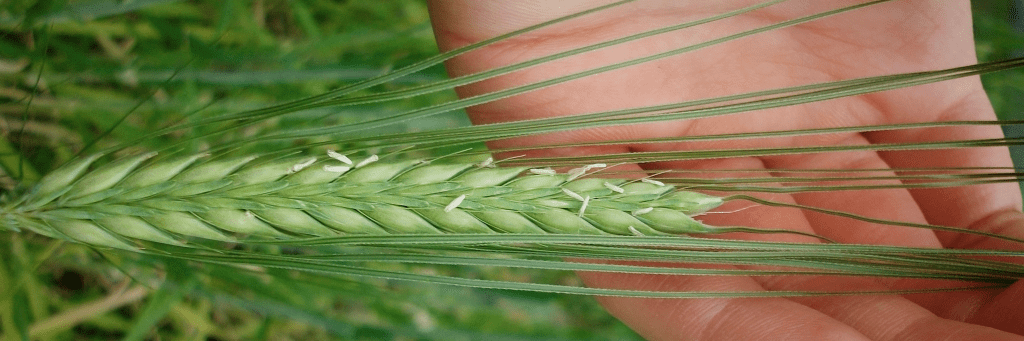
How productive were ancient crops compared to today? Was prehistoric farming in more challenging environments and periods of climatic downturn less productive, and did these farmers develop risk management strategies to adapt where farming was less productive? The project will examine agricultural productivity, adaptation and resilience in the archaeological record. The data for changing agricultural productivity will be critically examined in relation to prehistoric cultivation strategies, wider societal risk management strategies and the challenges presented by varying climatic conditions across Southern Scandinavia and Atlantic Scotland in prehistory. The results of the project will provide a new level of insight into the productivity of prehistoric farming and will provide time-depth for understanding food production and food security in relation to climate.

